



Misson
NIEPI conducts research, monitors progress on the 107 Calls to Economic Prosperity, and supports conversations around Indigenous economic development across Canada.
Vision
NIEPI conducts research, monitors progress on the 107 Calls to Economic Prosperity, and supports conversations around Indigenous economic development across Canada.
Who we are
NIEPI conducts research, monitors progress on the 107 Calls to Economic Prosperity, and supports conversations around Indigenous economic development across Canada.
What we do
NIEPI conducts research, monitors progress on the 107 Calls to Economic Prosperity, and supports conversations around Indigenous economic development across Canada.
History and Culture
NIEPI was founded in 2023 in response to the National Indigenous Economic Strategy and its 107 Calls to Economic Prosperity, specifically call 79.
“Establish and empower an Indigenous Institute to collect and govern Indigenous data about population, businesses, lands, and resources. This Institute will monitor and measure implementation of these Calls to Economic Prosperity.”
Committing to transparent and ethical research that strengthens accountability, NIEPI will report and measure the success of the 107 calls to action, keeping proper storage of and providing access to legacy materials. Working in collaboration with governments, industry, communities and institutions NIEPI will advance collective action on the National Indigenous Economic Strategy.

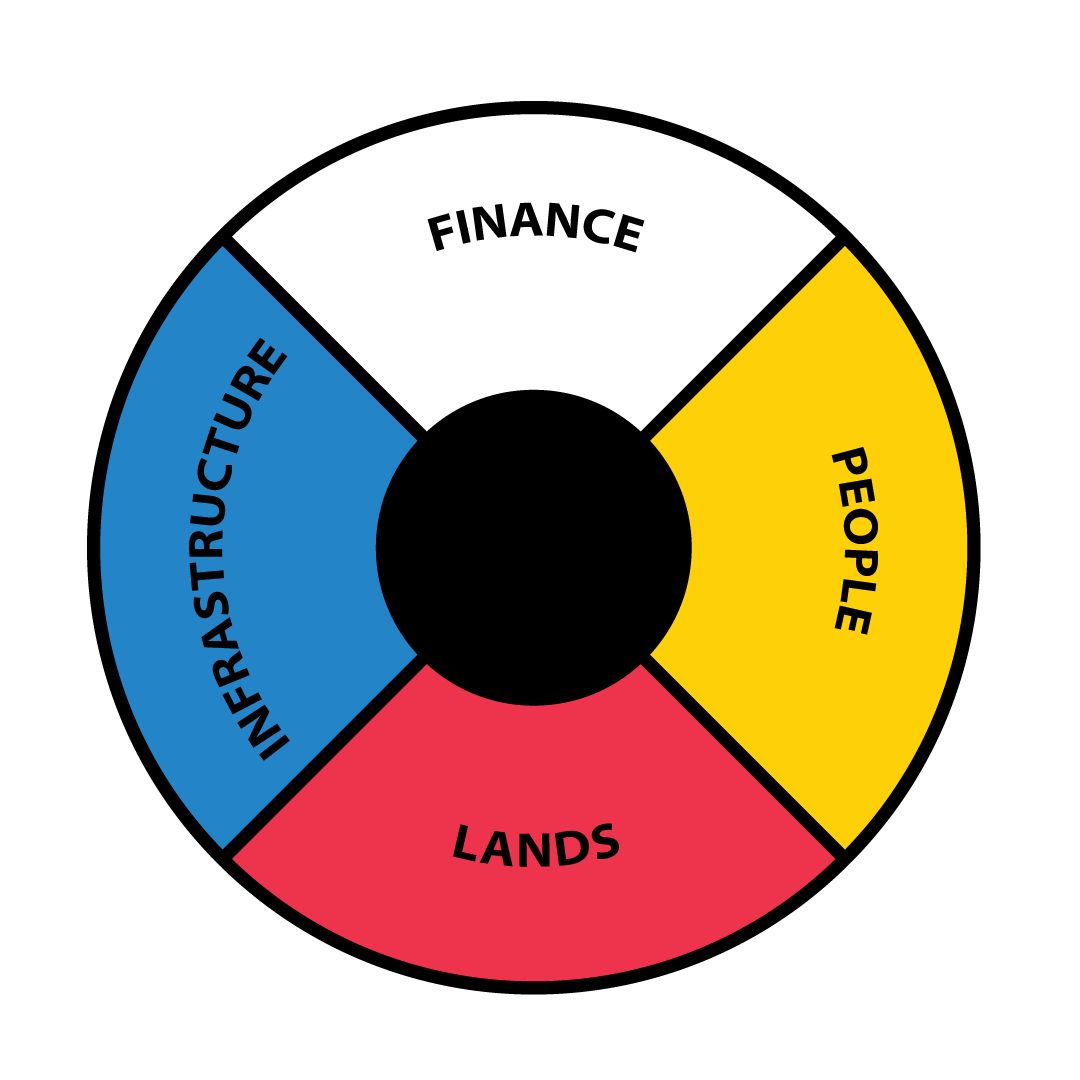
National Indigenous Economic Strategy
There are four pillars to the NIES. Each pathway includes a vision that describes the outcomes and actions for each Call to Economic Prosperity.

People
The capacity of First Nations, Métis, and Inuit is strengthened in order to provide world-class skills, knowledge, and leadership in Canadian and global economies. Indigenous Peoples are empowered to choose the distinct way they define, generate, and redistribute wealth.
Lands
Indigenous jurisdiction related to land is enshrined in the knowledge that the land was never ceded but rather intended to be shared and protected for future generations. Landmark court decisions, international law, and United Nations declarations are recognized and enacted into legislation. The land encompasses all elements, including water, air, and resources that lie on, above, and beneath the land. Economic reconciliation is attained when all land-related claims and issues are resolved.
Infrastructure
Leading-edge physical and institutional infrastructure and services are in place to ensure a prosperous Indigenous economy today and for future generations.
Finance
Indigenous Peoples and communities have the financial capital to achieve economic and social prosperity on their own terms.
Commitments
NIEPI will ensure that the data, knowledge, and resources derived from reporting and measuring the 107 calls to economic prosperity are used ethically and responsibly in ways that advance Indigenous prosperity now and for the future generations.
NIEPI is a Youth-Centered Leadership, acknowledges youth as foundational to long-term economic reconciliation. Our commitment to youth empowerment, prioritizes the leadership, innovation, and lived experience of Indigenous youth.